Is your cat acting strangely? More vocal than usual? Rubbing against everything? These could be signs she's in heat (estrus), a normal but sometimes challenging phase. For more information, check out this helpful guide: Learn more. This guide will help you understand and manage your cat's heat cycle, offering solutions for both the short-term and long-term.
Recognizing the Signs: Is My Cat in Heat?
A cat's heat cycle involves noticeable behavioral changes. While not all cats exhibit every symptom, and intensity varies, watch for these common indicators:
Increased Vocalization: Expect more meows, yowls, and chirps—sometimes at odd hours.
Restlessness and Pacing: Your usually calm cat might become hyperactive, pacing and fidgeting.
Increased Affection: She may demand extra cuddles and attention, though this isn't always genuine affection.
Back Arching (Lordosis): She'll arch her back, lower her front end, raise her rear, and hold her tail to the side—an invitation to mate.
Tail Elevation: Her tail might be held to the side or elevated, making her rear more visible.
Frequent Urination/Spraying: She might urinate more frequently and spray urine to mark territory.
Remember, the intensity of these behaviors varies greatly between cats. Some might display subtle changes while others are quite dramatic.
Understanding the Stages of Heat
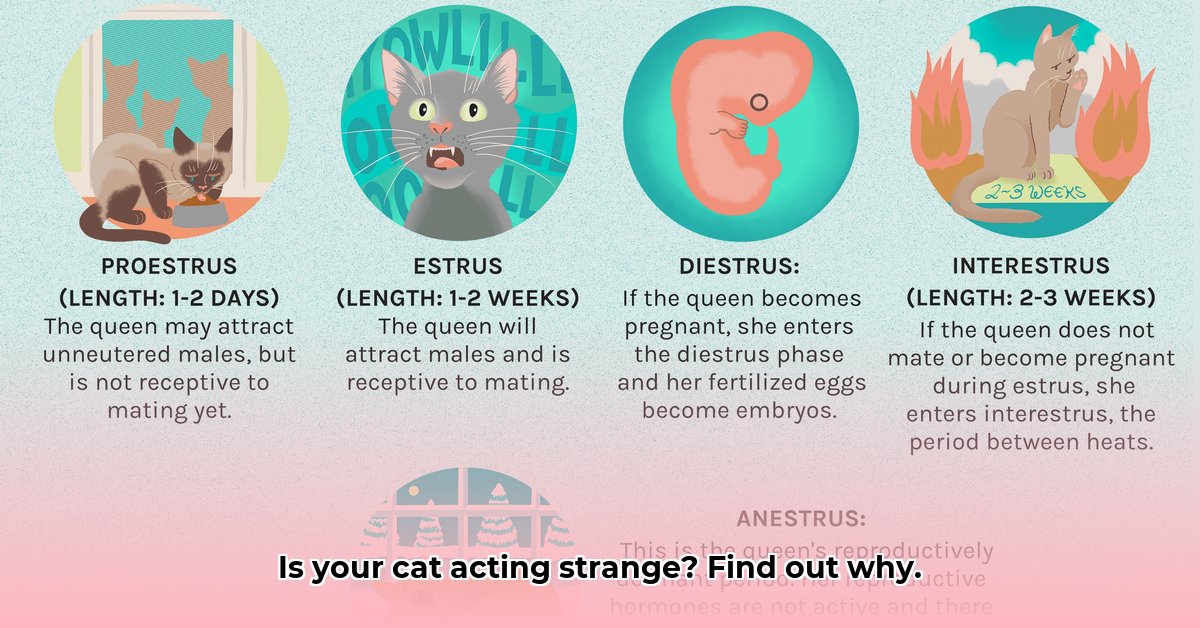
The heat cycle is cyclical, repeating approximately every two to three weeks during breeding season (typically spring and summer). If your cat is not pregnant or spayed, the following stages can be observed:
Proestrus: A short, often unnoticeable initial phase (1-2 days).
Estrus: The main heat period (around a week), with the most pronounced behavioral changes. This is when you'll see the increased vocalizations, rubbing, back arching, and other signs.
Interestrus: A brief period between heat cycles when behavior returns to normal.
Anestrus: A period of sexual inactivity, usually lasting several months.
Managing Your Cat During Heat: Practical Strategies
The most effective long-term solution is spaying, but for managing the current heat cycle:
Enrichment and Play: Provide ample playtime with interactive toys, puzzle feeders, and climbing structures to redirect her energy. A tired cat is often a less hormonal cat.
Indoor Confinement: Keep your cat strictly indoors to prevent unwanted pregnancies and outdoor hazards.
Patience and Comfort: The heat period is temporary. Provide comfort and reassurance, while remaining understanding of the changes in behavior.
Veterinary Consultation: Consult your veterinarian for personalized advice and to discuss spaying options. They can answer your questions and address any concerns.
Spaying: The Long-Term Solution
Spaying (ovariohysterectomy) is the surgical removal of a cat's ovaries and uterus. It's the most effective method to prevent future heat cycles and offers numerous health benefits:
Prevents Unwanted Pregnancies: Eliminates the risk of accidental litters.
Reduces Cancer Risk: Significantly lowers the risk of mammary and uterine cancers.
Prevents Pyometra: Avoids a potentially life-threatening uterine infection.
Reduces Behavioral Issues: Lessens the stress and inconvenience of heat cycles.
While spaying is generally safe, discuss the risks and benefits with your veterinarian before making a decision.
When to Seek Veterinary Attention
While the behaviors described are normal for a cat in heat, contact your veterinarian immediately if you observe:
- Excessive lethargy or weakness
- Significant changes in appetite
- Unusual vaginal discharge
- Any signs of illness
Early detection is crucial for preventing complications. Your veterinarian is your best resource for your cat's health.
Addressing Common Concerns About Spaying
Many owners have concerns about spaying. It's crucial to weigh the pros and cons:
| Pros | Cons |
|---|---|
| Prevents unwanted pregnancies | Minor surgical risks |
| Reduces risk of mammary and uterine cancers | Potential for weight gain (easily managed) |
| Eliminates disruptive heat behaviors | Slight risk of post-operative complications |
| Improves your cat's overall long-term health and well-being | Requires anesthesia |
| Reduces roaming and the risk of injury or disease from mating encounters | Small additional cost |
Your veterinarian can provide detailed information and guidance to help you make an informed decision.